






Back in 2011, a so-called “insider” shared a guide on how to acquire domains “on the cheap,” pitching a step-by-step strategy built around lowball offers, feigned scarcity, and playing the role of a budget-strapped buyer. The guide appears as a lengthy comment in a post about domain names.
The comment begins thus:
“Okay, Kids, Here We Go…”What You Need To Know About Your Next Domain Name” I highly respect what Fred has done, and continues to do, to help entrepreneurs and for that I’d like to “give back” myself… and I’m posting anonymously as I have nothing to gain in anyway by sharing this information…I’m a serial Internet entrepreneur since 1990 (pre-Web). “
The intention was clear: convince entrepreneurs and start-up founders that premium .com domains could be had for a few thousand dollars if you used the right psychological tricks.
The write-up wasn’t about empowering domain owners but about exploiting them, framing sellers as unrealistic lottery-ticket dreamers and advising buyers to manipulate negotiations to secure discounts.
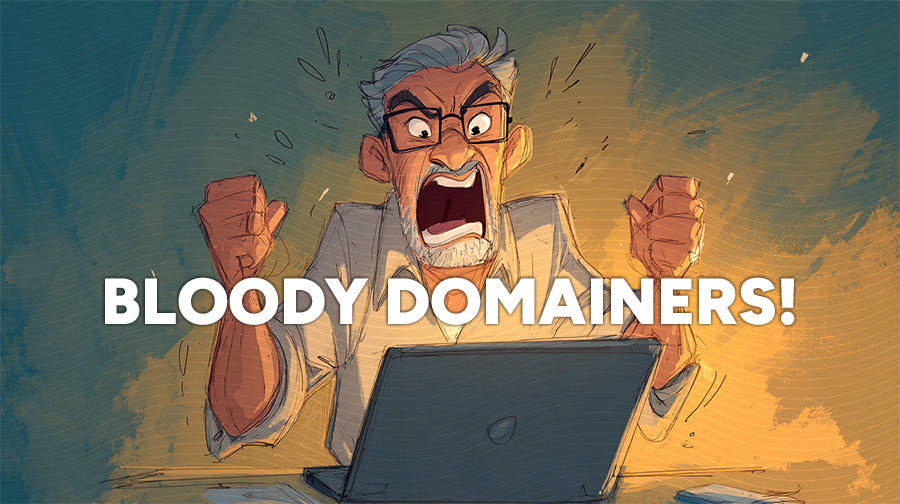
But it’s now 2025 baby, and we’re about to rip these dated guidelines about “buying domains on the cheap” to pieces! 🙂
Price expectations are completely outdated:
In 2011, the suggestion was that you could secure decent domains for $1,000–$5,000, or six-figure names for $15K–$20K. Today, those price points are pure fantasy. Two word .com domains often sell in the five-figure range, and premium single-word or strong brandables can command six and seven figures. Sellers now benchmark against transparent sales databases, not scarcity tactics.The “Woe Is Me” or “Poor Student” email strategy doesn’t work anymore:
Pretending to be “just a web designer on a budget” once passed as clever negotiation with dubious results. Now it’s a cliché. Domain investors have seen these scripts countless times, and instead of lowering the price, such pitches often get ignored altogether. The opposite is true: Quoted prices often increase to spite those fake claims.Scarcity and bluffing are transparent:
The old playbook advised telling owners you’re contacting multiple people and threatening to walk away with a “Plan B”. Today, scarcity works in favor of the seller, not the buyer. Quality domains are limited, and investors know other buyers will pay fair market value.WHOIS stalking has lost its edge:
Back then, you could look up WHOIS, guess the owner’s circumstances, and dangle some quick cash. GDPR redactions, privacy shields, and brokers have since shut down that angle. Most serious inquiries now flow through professional-looking landers and marketplaces. The inventory that was in the hands of original registrants has been cherry-picked by savvy domain investors.Domain owners aren’t desperate for quick cash:
The 2011 write-up claims owners would happily accept $1K–$2.5K via PayPal to offload domains. In today’s market, professional investors are patient, financially secure, and use Escrow.com, Sedo, Afternic, or other platforms for safe transactions.Discounts of “70% off” never happen:
The claim that buyers could routinely settle at 30% of the asking price no longer reflects reality—if it ever did! Modern negotiations typically close within 10–20% of a seller’s number, especially for good .com domains.“.COM or nothing” has cracked:
The advice declared .com as the only option, dismissing all other extensions as confusing. While .com is still the gold standard, .org, .ai, .io, .xyz, .app, and others are now mainstream choices that sell for six figures or more. In January 2012, ICANN launched the New gTLD Program that opened the floodgates for a universe of new TLDs.Negotiation psychology has shifted:
Calling owners greedy “lottery-ticket dreamers” may once have been intended to soften their stance. Today, that tone is a deal-killer. Domainers see their inventory as digital real estate with appreciating value, backed by comps and market demand.Marketplaces and brokers replaced cold emails:
The strategy leaned on cold emails and quick PayPal deals. Now, Afternic, Sedo, DropCatch Auctions, Atom, and brokers dominate. Buyers and sellers alike prefer trusted platforms that bring liquidity, transparency, and security.
In a nutshell: The original 2011 playbook was weak and it’s been obsolete for a while now. Prices have risen, sellers are seasoned, and the negotiation tricks that once worked are now instantly recognized and dismissed. The modern domain market rewards realistic budgets, respectful approaches, and professional channels.
You’re welcome! 🙂
Copyright © 2025 DomainGang.com · All Rights Reserved.